
Washington, D.C., ranks among the top metro areas in the country for EV adoption, and homeowners from Capitol Hill to Cleveland Park are swapping gas pumps for garage outlets. But before you plug into this revolution, you have questions. The team at Michael Bonsby HVAC, Plumbing & Electrical has answered the most pressing EV charger installation questions.
Level 1 vs. Level 2: Decoding the Charger That Fits Your Life
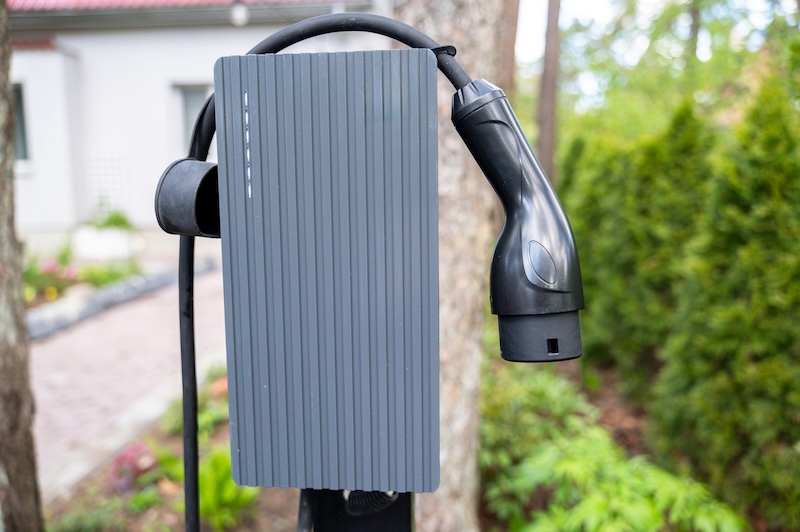
Not all home chargers deliver the same results, and the difference is more dramatic than most Washington, D.C. drivers expect. A Level 1 charger plugs into a standard 120-volt outlet and adds roughly 3 to 5 miles of range per hour. That works for someone who drives under 30 miles a day.
Level 2 chargers, by contrast, operate on a dedicated 240-volt circuit and deliver 10 to 20 miles of range per hour, according to the U.S. Department of Energy. EV charger installation in Washington, D.C., almost always involves a Level 2 system for households with regular daily driving demands.
Does Your Electrical Panel Have the Capacity to Handle It?
This is the question that catches most Washington, D.C. homeowners off guard. Row homes in Shaw, Tudor City condos near Dupont Circle and bungalows in Brookland were built in eras when the electrical load of an EV charger wasn’t remotely on an architect’s radar. Many of these homes have 100-amp service panels, while a Level 2 charger typically requires a dedicated 40- to 50-amp breaker.
If your panel is already shouldering a central air conditioner, a heat pump and a modern kitchen’s worth of appliances, there may not be room. A licensed electrician will assess your current load and determine if a panel upgrade is needed before the charger ever gets mounted to your garage wall.
Permits, Codes and the D.C. Inspection Process Explained
Washington, D.C. requires an electrical permit for EV charger installation, and skipping that step is a mistake that can cost far more than the installation itself, especially at resale. The District’s Department of Buildings oversees inspections, and any work done without proper permitting can result in fines, forced removal of the equipment or complications with homeowner’s insurance.
A qualified electrician handles the permit application, schedules the inspection and ensures the installation meets the D.C. Electrical Code. This isn’t a project for a handyman with an online tutorial. The wiring, conduit routing, breaker sizing and grounding requirements all carry real consequences if done incorrectly. Think of it this way: you wouldn’t wire your own circuit breaker panel, so don’t go rogue on your EV charger either.
Trusted EV Charger Installation in Washington, D.C. Starts With the Right Team
If you’re ready to move forward with EV charger installation in Washington, D.C., contact Michael Bonsby HVAC, Plumbing & Electrical today. Let our trusted electrical team put your EV charging exactly where it belongs: right in your own home.
Image provided by iStock