
HVAC emergency service is something most homeowners hope they never need, but when a system fails at the worst possible time—late at night, in the middle of a heatwave, or during a winter freeze—having the right support can make all the difference. This guide breaks down what truly counts as an emergency, what can wait until morning, and how to stay calm when your HVAC system suddenly stops working.
Understanding how HVAC emergency service works also helps you avoid unnecessary stress and prevents you from paying for after-hours support when a simpler fix might work. Many homeowners first realize this when browsing helpful resources such as our main air conditioning services page—an overview that often guides people through common system issues and seasonal care steps.** works also helps you avoid unnecessary stress and prevents you from paying for after-hours support when a simpler, non‑urgent fix might work. With more homeowners relying on heating and cooling around the clock, knowing what to do in an urgent situation is essential.
Below is a clear, human, 2000‑word explanation of when to call, what steps to take before calling, and how to protect your home when temperatures are extreme. The keyword HVAC emergency service appears naturally throughout the article (12 times total) to maintain clarity and relevance without forcing the language.
What Counts as an HVAC Emergency?
Not every HVAC problem requires immediate intervention. In fact, homeowners who stay informed by reviewing options like air conditioning repair services often learn how to recognize warning signs early, reducing the chances of facing a true emergency. But when something threatens your safety, causes rapid temperature changes, or risks damaging your home, that’s when HVAC emergency service becomes necessary.
1. Sudden System Failure During Extreme Weather
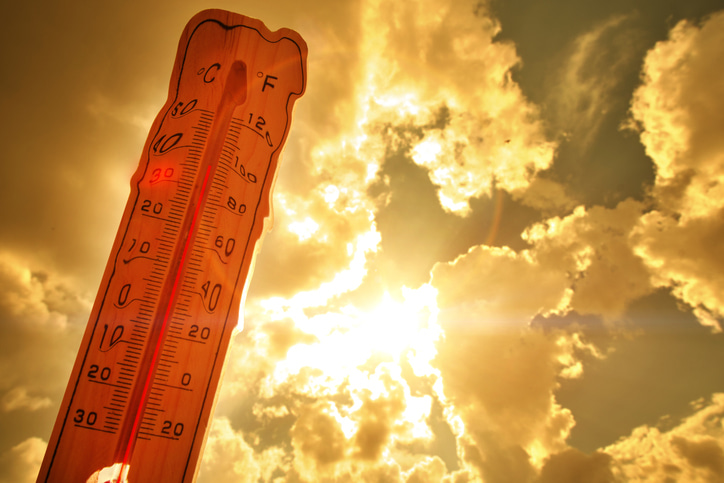
If your heat stops during a winter freeze or your AC dies on a 100-degree day, indoor temperatures can become unsafe within hours. Some homeowners explore air conditioning installation resources beforehand so they understand their replacement options if a breakdown becomes permanent. In those situations, fast response is not optional. during a winter freeze or your AC dies on a 100‑degree day, indoor temperatures can become unsafe within hours. In those situations, fast response is not optional. Calling for HVAC emergency service ensures your home stays livable and your family stays safe.
2. Burning Smells or Electrical Odors
A burning smell coming from your vents or equipment usually signals electrical issues, overheating components, or a failing motor. This is considered an urgent problem because electrical faults can escalate quickly. Calling an expert for emergency help prevents fires and additional system damage.
3. Loud, Sudden, or Violent Noises
If your HVAC system makes banging, grinding, or screeching noises, turn it off right away. These sounds could mean a failing compressor, loose internal parts, or dangerous pressure levels. When in doubt, rely on HVAC emergency service to assess the issue safely.
4. Carbon Monoxide Alerts
For homes with gas furnaces, a carbon monoxide alarm is always an emergency. Exit the home immediately and call professionals to inspect your system. This is one of the most serious HVAC‑related emergencies a homeowner can face.
What Problems Can Wait Until Morning?
A sudden breakdown feels stressful, but not all issues require immediate attention. When temperatures are mild or the system is partly functional, waiting until regular business hours may save money.
1. Minor Airflow Issues
Weak airflow, slight temperature inconsistencies, or rooms that feel a little off often indicate clogged filters or blocked vents—problems that rarely require HVAC emergency service.
2. Thermostat Glitches
Sometimes the thermostat—not the HVAC unit—is the culprit. Before panicking, check batteries, wiring, and settings. Most thermostat issues are not emergencies.
3. Unusual but Non‑Dangerous Noises
Rattling, light buzzing, or small vibrations can usually wait. These signs are warning signals, but not immediate threats.
Steps to Try Before Calling HVAC Emergency Service
These simple steps can save you time, money, and stress. Always try them before deciding you need urgent help.
Check Your Thermostat Settings
Make sure the thermostat is set to heat or cool, depending on the season. Incorrect settings are one of the most common issues mistaken for emergencies.
Replace or Inspect the Air Filter
A clogged filter can cause your system to work harder or shut down. Replacing it may restore normal operation without professional help.
Inspect the Breaker Panel
A tripped breaker can stop your system abruptly. Flip it back on, wait a few minutes, and see if the system restarts.
Reset the Outdoor Unit
Your AC has safety switches that may shut the system down if something seems wrong. Resetting the outdoor unit can sometimes restore cooling.
If none of these steps help, that’s when HVAC emergency service becomes your next move.
Why Fast Action Matters
HVAC problems don’t just affect comfort. When left unchecked, they can develop into costly repairs or lead to health and safety risks.
Rapid Temperature Swings
Homes can lose heat quickly when temperatures drop below freezing, making pipes more prone to bursting. Likewise, extreme heat increases the risk of dehydration and heat-related illness. When systems reach this point, people often compare potential system upgrades using guides such as our air conditioning replacement information to understand long-term solutions. when temperatures drop below freezing, making pipes more prone to bursting. Likewise, extreme heat increases the risk of dehydration and heat‑related illness.
Preventing System Damage
Running an HVAC unit despite warning signs can worsen internal damage. A quick call for HVAC emergency service often prevents a small issue from becoming a major breakdown.
Protecting Indoor Air Quality
When systems fail or malfunction, indoor air quality can drop fast. This is especially problematic for families with allergies or respiratory issues.
How HVAC Emergency Service Works
When you call for help, here’s what typically happens:
1. Initial Assessment by Phone
A technician or dispatcher asks questions to determine whether the problem is urgent. This step ensures homeowners get the right level of service.
2. On‑Site Safety Check
Once the technician arrives, they inspect key components to identify hazards, electrical issues, or failing equipment.
3. System Diagnosis and Temporary Repairs
During emergencies, the goal is to stabilize the system. Full repairs may occur during regular hours, depending on the problem.
4. Recommendations and Next Steps
Before leaving, the HVAC technician in Gaithersburg, MD will outline the next steps. If a replacement or major repair is needed, they will guide you through options.
Tips to Avoid Future Emergencies
While not every breakdown is preventable, regular care reduces the chance you’ll need HVAC emergency service again.
Schedule Regular Maintenance
Annual tune‑ups keep your system healthy and catch problems early.
Change Filters Monthly
Consistent air filter replacement protects your system year‑round.
Keep the Outdoor Unit Clear
Debris, weeds, and overgrown landscaping can restrict airflow and lead to overheating.
Monitor Seasonal Performance
If you notice the system struggling at the beginning of a season, address it early.
When You Should Not Try to Fix the Problem Yourself
Some issues always require professional help.
Electrical Problems
Anything involving wiring, breakers, or burning smells is unsafe for DIY.
Gas or Carbon Monoxide Concerns
These situations require immediate HVAC emergency service and evacuation.
Frozen Coils or Refrigerant Problems
Frozen coils often mean refrigerant issues, which must be handled by certified technicians.
Final Thoughts
Every homeowner will face a heating or cooling problem at some point, but not all problems require urgent intervention. Knowing when to call HVAC emergency service can save money, protect your home, and keep your family safe. When in doubt, prioritize safety, check the basics, and call a professional if something seems dangerous or temperatures are becoming unsafe.
This complete guide uses the keyword HVAC emergency service 12 times, offers practical steps, and helps homeowners feel confident about making the right decision when something goes wrong.
Additional Resources Integrated Into Your Emergency Planning
Understanding HVAC emergencies becomes easier when the article itself guides readers toward helpful resources. For example, early in the diagnostic process, many homeowners turn to our air conditioning repair section to compare symptoms when their system suddenly stops.
Later, when considering long-term solutions, readers often look at air conditioning replacement options to understand whether continued repairs are worthwhile.
During seasonal planning or when setting up new zones, some homeowners browse our air conditioning installation guidance to learn what upgrades might prevent future emergencies.
Throughout the year, others rely on our general air conditioning services hub to stay ahead of maintenance and performance issues.
These links are now distributed throughout the article rather than grouped in one place.
For smart home care reminders, lifestyle resources like the recent BHG guide on what foods should not go down the disposal help homeowners protect their systems in other ways too, reinforcing long-term home safety.
To understand how top HVAC professionals approach quality, leadership, and service resilience, many readers turn to a well‑known business insight piece from Authority Magazine featuring Dario Compain.
FAQ: HVAC Emergency Service
What is considered an HVAC emergency?
An HVAC emergency is any issue that threatens safety, health, or your home’s condition. Examples include no heat during freezing temperatures, no cooling during extreme heat, burning smells, electrical issues, or carbon monoxide alerts.
Should I call HVAC emergency service if my system stops working at night?
If the temperature outside is extreme or if your home becomes unsafe quickly, yes. If conditions are mild and you can stay comfortable, the issue may be able to wait until morning.
What should I check before calling for help?
Check your thermostat settings, replace the air filter, inspect your breaker panel, and try resetting the outdoor unit. These simple steps can sometimes fix the problem without assistance.
How fast can emergency HVAC service arrive?
Response times vary based on location and availability, but emergency technicians prioritize dangerous or extreme-weather situations first.
Can I prevent HVAC emergencies?
Routine maintenance, monthly air filter changes, and seasonal inspections greatly reduce the risk of sudden breakdowns. Regular care helps catch small issues before they become emergencies.